

The Allure of High-Stakes Gambling Competitions
Prestigious gambling contests draw immense attention, not just for the substantial prizes, but for the sheer skill, strategy, and psychological warfare involved. These events, often televised and drawing a global audience, showcase the pinnacle of competitive gaming, and for those interested in such activities, understanding the landscape can be as complex as the games themselves, much like navigating resources for school events, which can be found at melbet download apk. From card rooms buzzing with tension to virtual arenas filled with intense focus, these contests represent a unique intersection of chance and calculated decision-making.
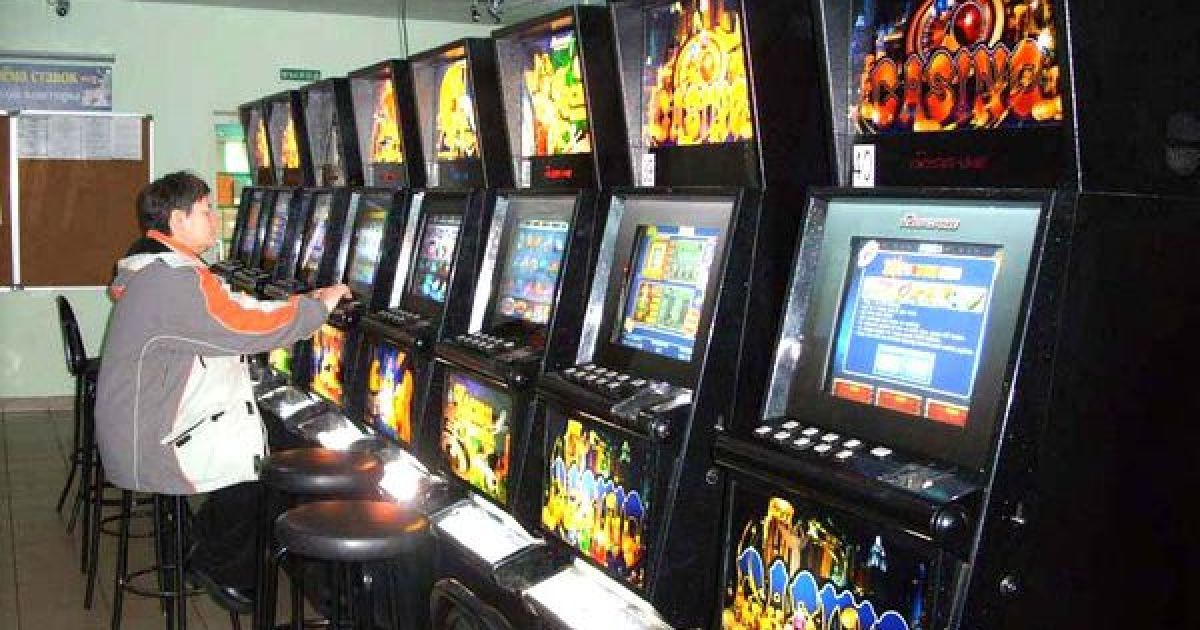
The allure extends beyond the financial gains. Participants often compete for bragging rights, the recognition of being the best in their chosen field, and the thrill of outmaneuvering some of the sharpest minds. The pressure cooker environment of these events can reveal character, pushing individuals to their mental limits as they navigate complex scenarios and adapt to ever-changing odds.
Unveiling the Strategies of Elite Gamblers
Behind every successful player in a prestigious gambling contest lies a meticulously crafted strategy. This isn’t merely about luck; it’s about understanding probabilities, reading opponents, and managing one’s resources with unwavering discipline. Elite gamblers spend countless hours analyzing game mechanics, studying opponent tendencies, and refining their decision-making processes to minimize risk and maximize potential returns.
Key to their success is emotional control. The ability to remain calm under pressure, to avoid tilt after a loss, and to capitalize on favorable situations without overconfidence are hallmarks of a seasoned competitor. They understand that the psychological aspect of gambling is as crucial as the mathematical one, and they invest as much effort into mastering their mental game as they do in understanding the rules and odds.
The Role of Technology and Data in Gambling Contests
In the modern era, technology and data analytics play an increasingly significant role in high-stakes gambling. Sophisticated software can track patterns, predict outcomes with a higher degree of accuracy, and even assist players in real-time strategy adjustments. This has leveled the playing field in some respects, but also introduced new layers of complexity for those who can leverage these tools effectively.
Data-driven insights allow participants to move beyond intuition and make more informed decisions. Analyzing historical performance, opponent betting habits, and even micro-expressions (in live settings) can provide crucial advantages. The integration of technology ensures that these contests are not just games of chance, but intricate puzzles that require analytical prowess.
Understanding Risk Management in Competitive Gambling
A cornerstone of success in any prestigious gambling contest is robust risk management. This involves carefully assessing the potential downsides of each decision and ensuring that losses do not cripple one’s ability to continue competing. Players must establish clear limits for themselves, both in terms of how much they are willing to wager and how long they will play.
Effective risk management also means knowing when to walk away. Recognizing a losing streak and having the discipline to cease play, rather than chasing losses, is a critical skill. Similarly, knowing when to press an advantage and increase stakes during a winning run, without succumbing to greed, is equally important for maximizing gains in competitive environments.

CRHS PTSA’s Role in Promoting Responsible Engagement
While the CRHS PTSA is not directly involved in organizing or promoting gambling contests, its mission to support student well-being and academic success indirectly touches upon the importance of responsible decision-making. The association focuses on fostering a healthy and supportive environment for students, parents, and educators. This includes advocating for resources and programs that help students develop critical thinking skills and an understanding of potential risks associated with various activities.
The CRHS PTSA encourages open communication between students and parents regarding choices and potential challenges. By providing a platform for dialogue and offering resources for academic and personal development, the organization aims to equip students with the tools they need to make informed and sound decisions throughout their lives, including any engagement with activities that carry inherent risks.